How Much of Your Paycheck Can a Collector Really Take? New York’s Rules, Explained
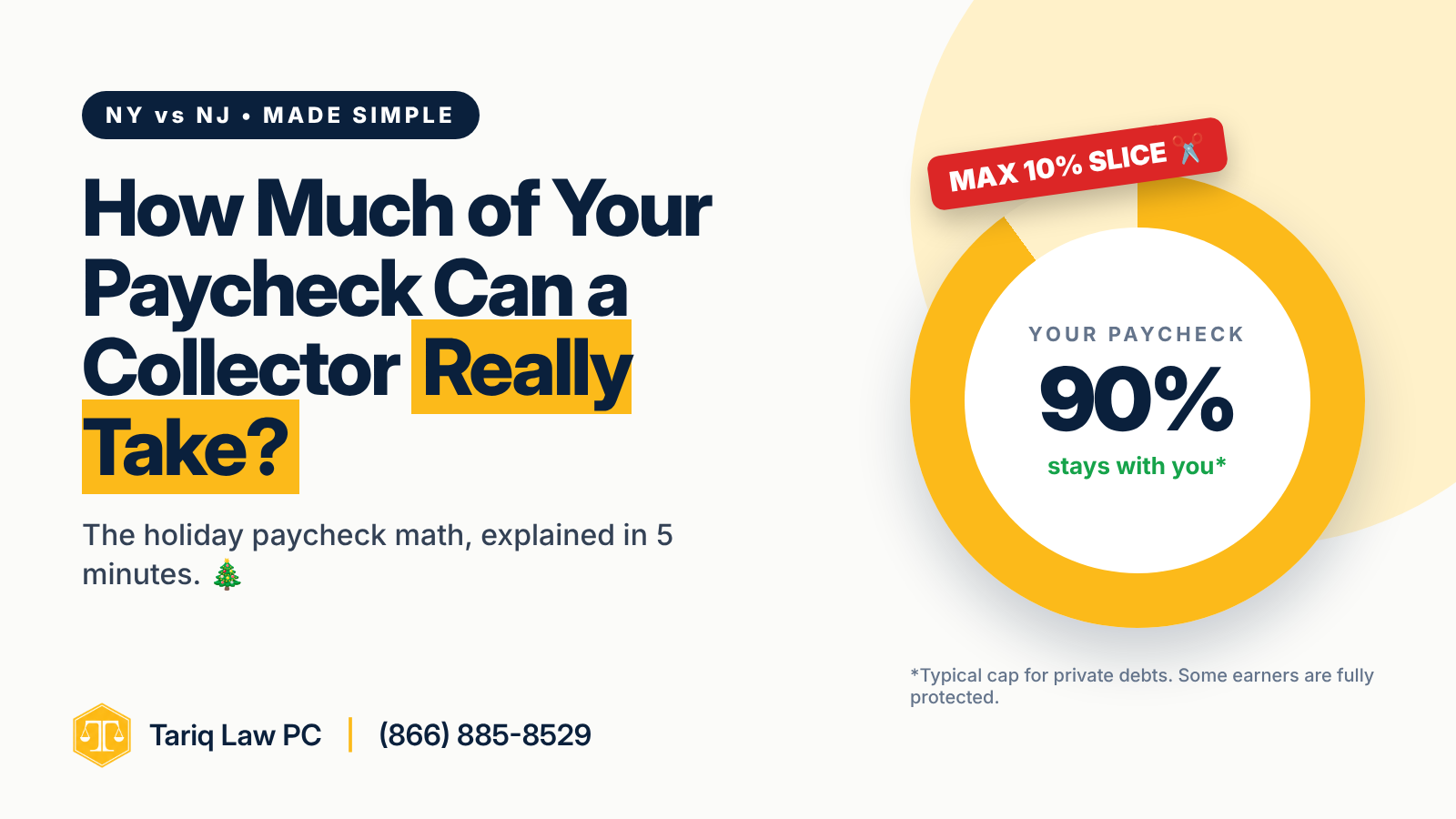
In New York, a collector can usually take the lowest of 10% of gross pay, 25% of take-home pay, or what’s above a protected floor. See the math and your options.
In New York, a collector can usually take the lowest of 10% of gross pay, 25% of take-home pay, or what’s above a protected floor. See the math and your options.
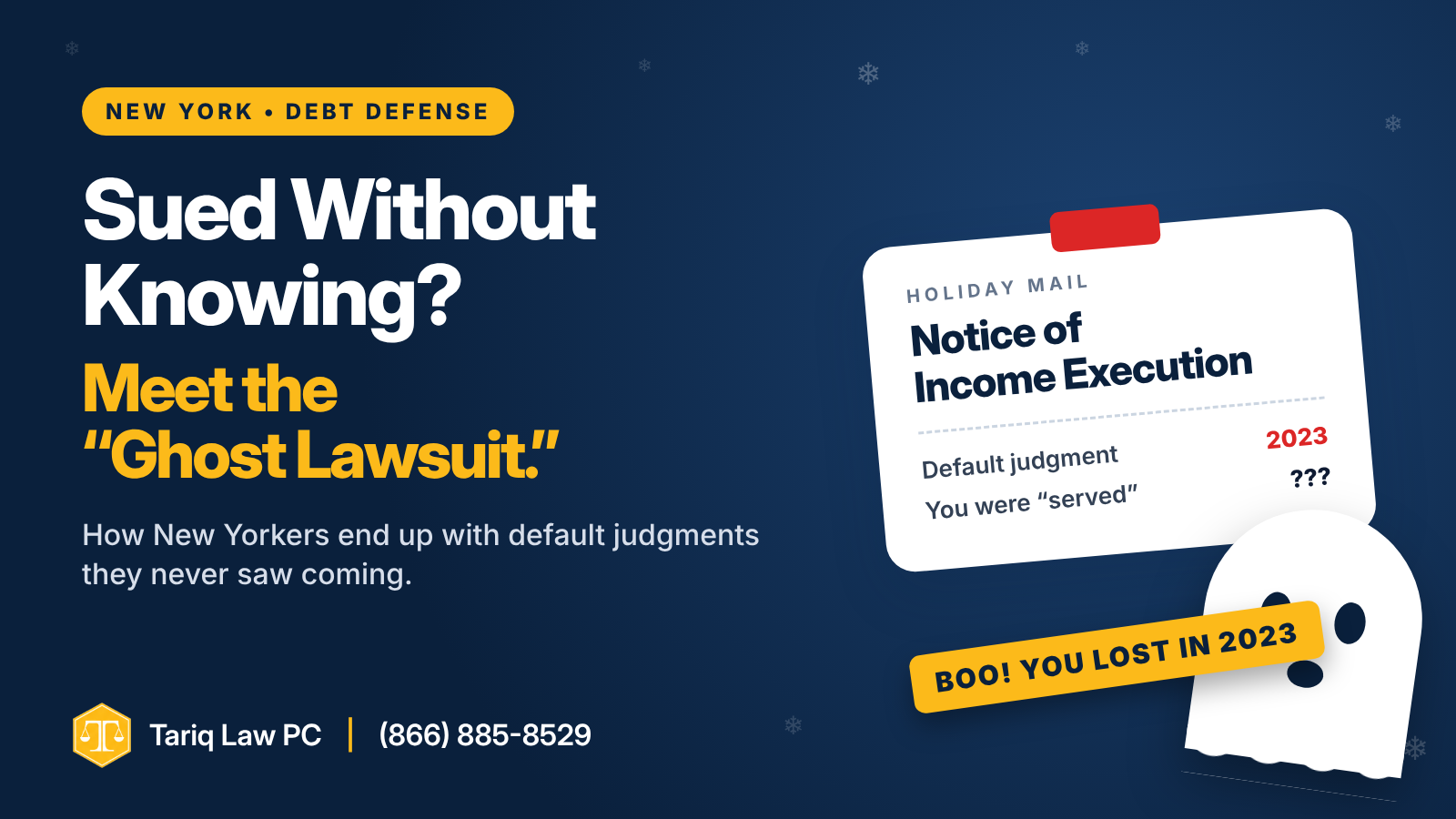
Found a default judgment you never knew about? Learn how "ghost lawsuits" and sewer service happen in New York, and how a default judgment may be vacated.

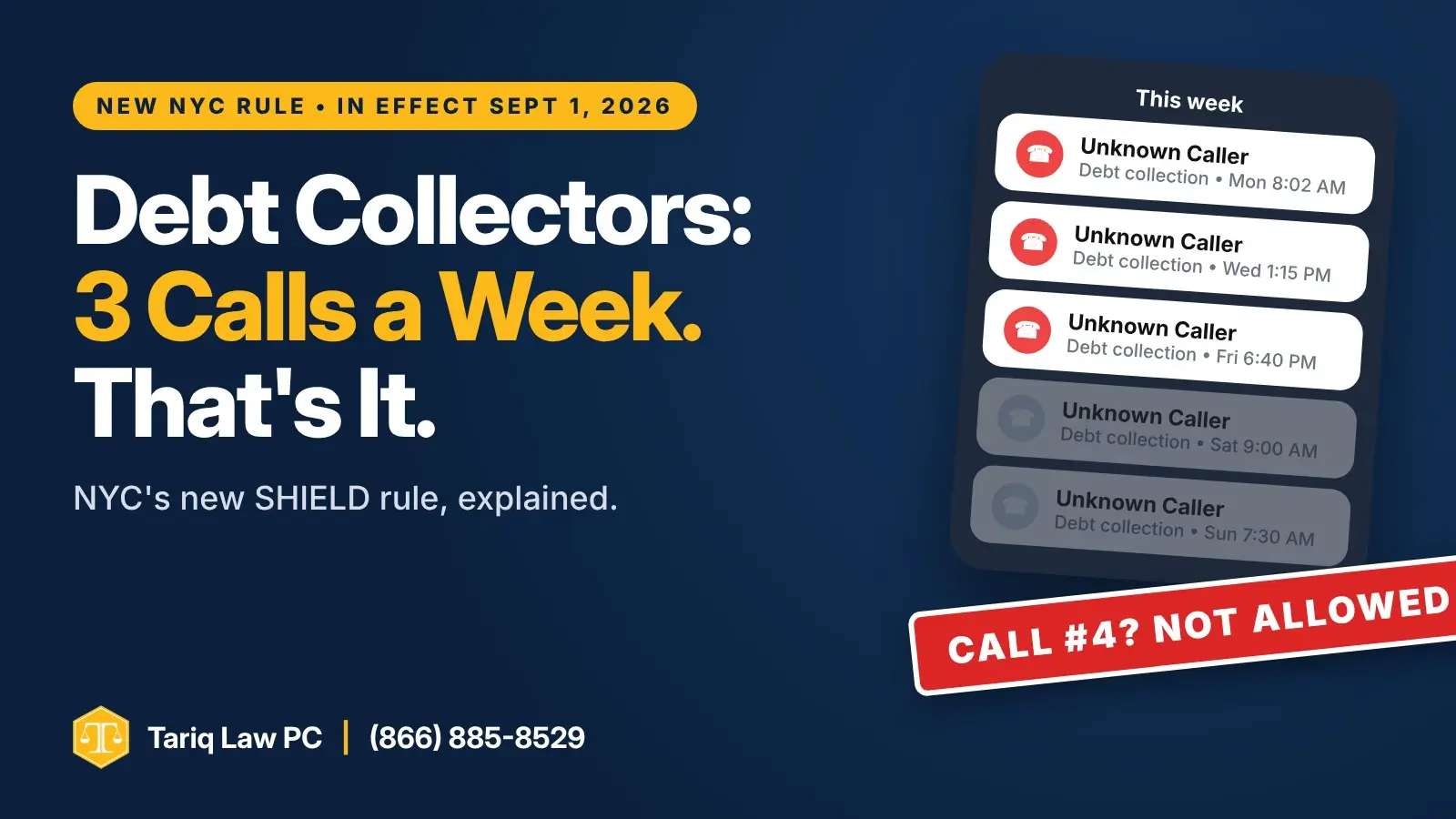
NYC's new SHIELD rule limits debt collectors to 3 contacts a week and makes them prove your debt. Here's what changed and how to use it.

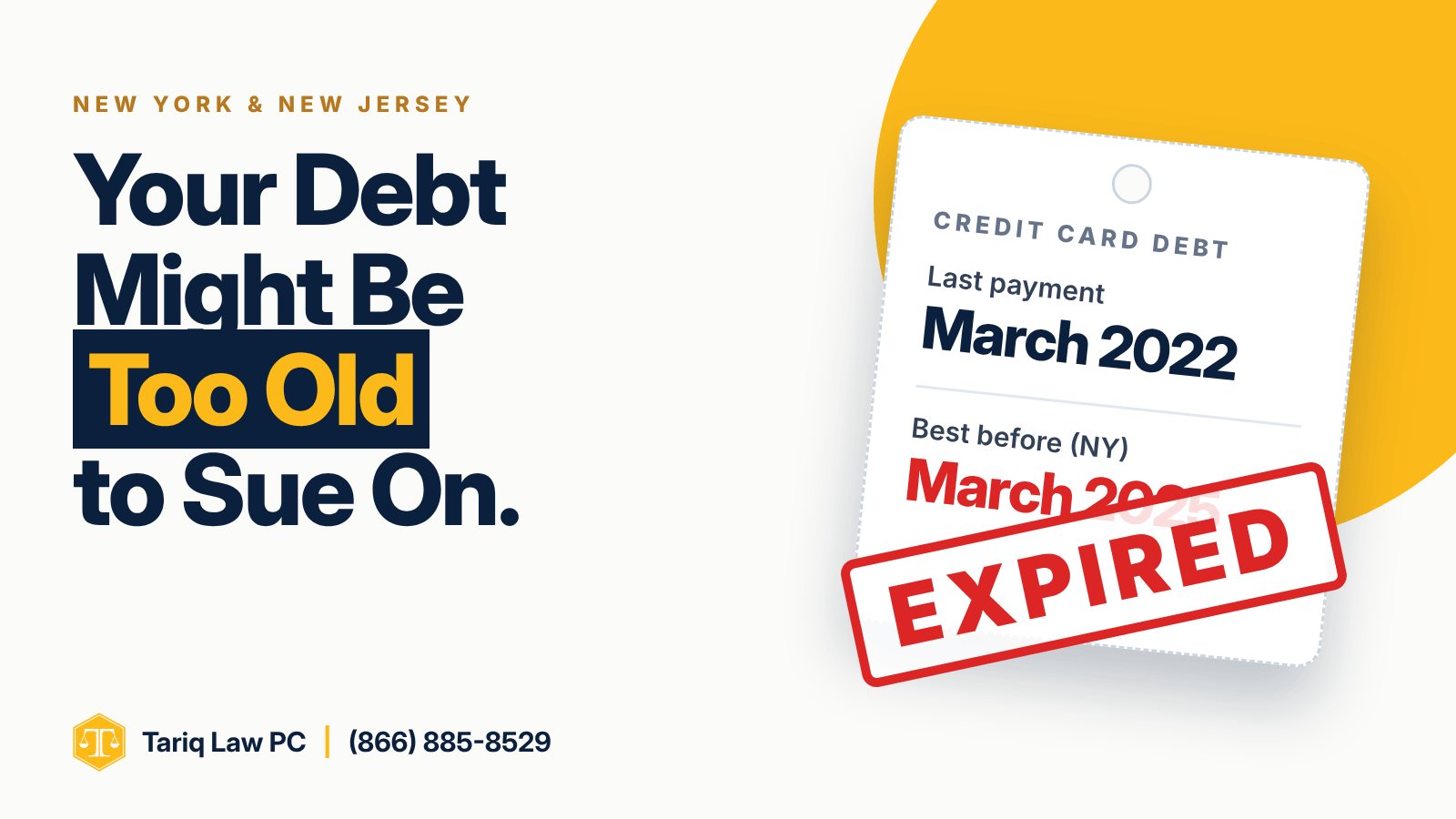
In New York, most consumer debt expires for lawsuits after 3 years. In New Jersey, it's 6. Here's how to tell if your debt is too old to sue on.

Is the state really banning AI chatbots for kids, or are new rules being introduced to make these platforms safer? Explore what the proposed law says, how it could affect young users, and what parents need to know about AI safety.

Still getting texts after replying STOP? Learn how the November 25, 2026 FCC rules affect TCPA opt-outs, your rights, and when to contact a lawyer.
NYC's premier consumer protection law firm. We fight for justice in FCRA, FDCPA, identity theft, and debt defense cases with unmatched expertise and tenacity.
Email: [email protected]
Phone: (866) 885-8529
Location: 99 Park Avenue New York, NY 10016
Copyright 2026. TariqlawPC. All rights reserved. Read more from Subhan at subhantariq.com